How Much Time Do You Really Spend on YouTube?
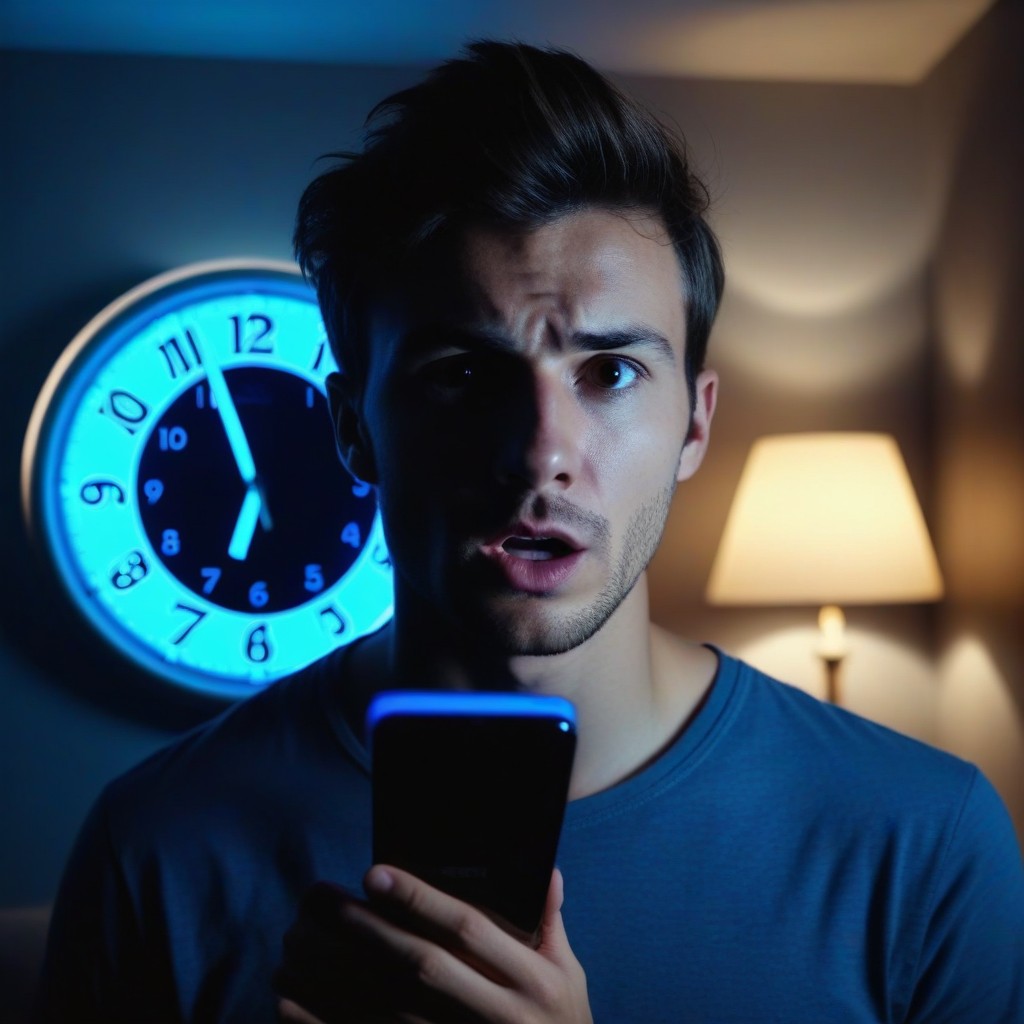
Last month I sat down to watch a single video about Rust error handling. It was nine minutes long. Forty-five minutes later I was watching a retrospective on a video game I had not played since 2011. I closed the tab feeling neither rested nor informed.
That pattern is why the average YouTube user watches around 48 minutes per day, which adds up to roughly 12 full days per year, while most people estimate their usage at somewhere between 20 and 30 minutes. The gap is not laziness or self-deception. It is structural.
Why the number surprises people
YouTube consumption happens in small pieces that feel negligible in the moment: a ten-minute video before a meeting, a Shorts session while waiting for something to compile, a playlist running in the background while cooking. Each fragment registers as almost nothing. Aggregated over a week, they account for five or six hours most people did not expect to spend.
A 2025 study found that people underestimate their YouTube usage by 40 to 60 percent. If your honest guess is half an hour a day, the likely reality is closer to 50 minutes.
The compounded math is worth sitting with. One hour of YouTube per day is 365 hours per year, roughly 15 full days. Over five years that is 76 days of waking life. Whether that is a bad number depends entirely on how you are spending it.
The question worth asking
Some YouTube time is genuinely worthwhile: a well-explained tutorial, a documentary you sought out, a creator you follow because they consistently deliver something useful. The problem is not the platform. The problem is that intentional and unintentional watching look identical from the outside, and often feel similar while they are happening.
Intentional watching has a shape: you had a question or a goal, you found a video that addressed it, you watched it, and you stopped. Unintentional watching has a different texture, recognized mostly in retrospect. You opened YouTube without a clear purpose, and the recommendation engine supplied one for you. The session ended not because you finished something but because you ran out of time or energy.
The distinction matters because regret tends to track the second pattern, not the first. I have never felt bad about spending 40 minutes watching a well-made explanation of something I was curious about. I have often felt bad about spending 40 minutes the algorithm decided I should spend.
I built Gazenest partly to make that distinction legible. The extension logs every session and scores it along three dimensions: a Clarity score for how well your viewing matched the intention you declared before starting, a Self-Control score for how well you avoided algorithmic drift, and a Diversity score for how varied your content has been over time. None of it blocks anything. It just makes the pattern visible.
What you can do with the number
YouTube's built-in Time Watched screen gives a daily average and a rough weekly total, which is a reasonable starting point. It does not show per-session breakdowns, channel-level distribution, or when during the day your usage clusters.
If you want to know not just how much but when and what kind, per-channel data and a session heatmap are the pieces that tend to produce the most useful surprises. Most people discover that their usage spikes in two or three predictable windows, and that a small number of channels or content types account for a disproportionate share of total time.
Knowing the real number does not automatically change anything. Measurement is not willpower. But it is harder to underestimate something you have written down, and most sustainable habit changes start from an accurate baseline rather than a guess.
Ready to understand your YouTube habits?
Install the Gazenest extension and start watching with intention.
Install GazenestLast updated: 11 June 2026