YouTube Shorts Addiction: Why It Might Be Worse Than TikTok
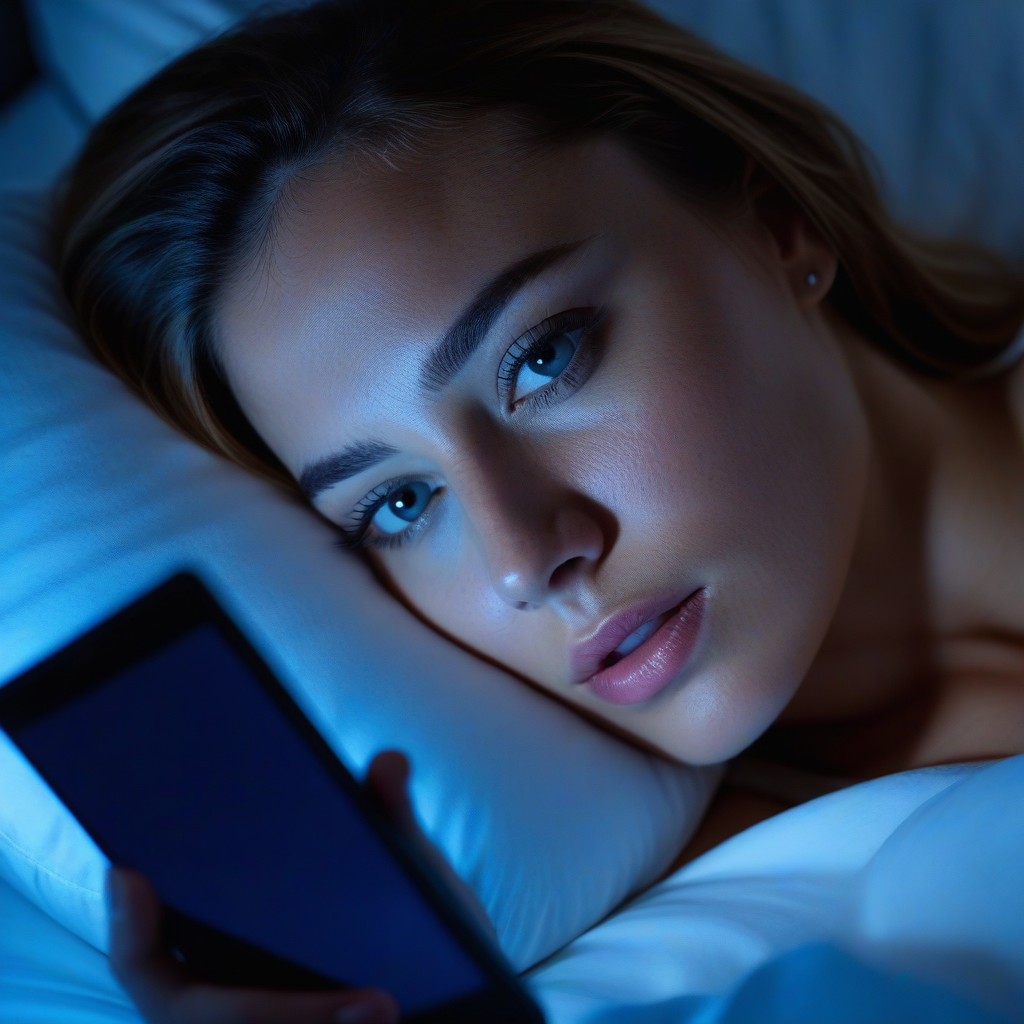
Last Tuesday I opened YouTube to find a plumbing tutorial. Twenty-five minutes later I was watching a stranger's cat react to a cucumber. I had not touched the Shorts tab deliberately; the homepage had surfaced them automatically and I had swiped without a conscious thought.
That is the specific problem with Shorts that gets underreported. TikTok is a separate app you have to decide to open. Shorts are one scroll away from the video you legitimately came to watch.
Why the format is hard to stop
A standard YouTube video has a runtime you can see before you click. When it ends, you surface. You choose what to do next. Shorts offer no equivalent pause. The next clip begins before you have registered that the previous one is over, so the decision to keep watching happens by inaction rather than intent.
The unpredictability amplifies this. Each swipe might produce something genuinely interesting or something dull. That inconsistency, not the good clips, is what keeps the loop going. The brain is chasing the next one that might be great. Psychologists call this a variable reward schedule; casino designers use the same principle.
There is also a friction argument worth naming clearly: you do not read a title, evaluate a thumbnail, or click anything. You only stop swiping if something actively makes you stop. Most things do not.
What changes in the brain over time
Heavy short-form consumption does not just waste an afternoon. Over weeks it recalibrates what feels stimulating. A fifteen-minute documentary that would have held your attention fine starts to feel slow. Longer videos feel like a commitment. The platform you originally used for learning becomes harder to use for learning, because your tolerance for slower content has dropped.
I noticed this in myself before I built any tooling around it. I would open a lecture I had saved, watch ninety seconds, and flip to something else. The lecture had not gotten worse.
Tracking before changing anything
Removing Shorts entirely is one approach, and for some people it works. A blunter approach is to start watching the pattern first.
I built Gazenest partly to make this kind of drift visible without requiring constant self-monitoring. The extension logs YouTube sessions in the background. When you open a session with Intent Mode, you declare beforehand what you are there for: "watch the plumbing tutorial." A Clarity score then reflects how well the actual session matched that stated purpose. A Self-Control score tracks the ratio of intentional sessions to drift sessions over time.
None of this blocks anything. Gazenest does not prevent you from watching Shorts or hide the tab. If you are someone who uses Shorts deliberately, for entertainment you have chosen, then nothing changes. The value is in surfacing the sessions where you ended up somewhere you did not mean to go.
One honest caveat: if the pattern is deep and the habit is consuming hours daily, a score on a dashboard is not going to fix it. The data helps you see what you are doing. Acting on that requires something the software cannot supply.
The more modest claim is that making the unconscious visible is a reasonable first step. You cannot change a pattern you have not noticed. Once you have a week of session data, you can at least see whether the problem you suspected is as large as it feels.
Ready to understand your YouTube habits?
Install the Gazenest extension and start watching with intention.
Install GazenestLast updated: 11 June 2026